
From Poverty to Prosperity: Empowering the Unbanked

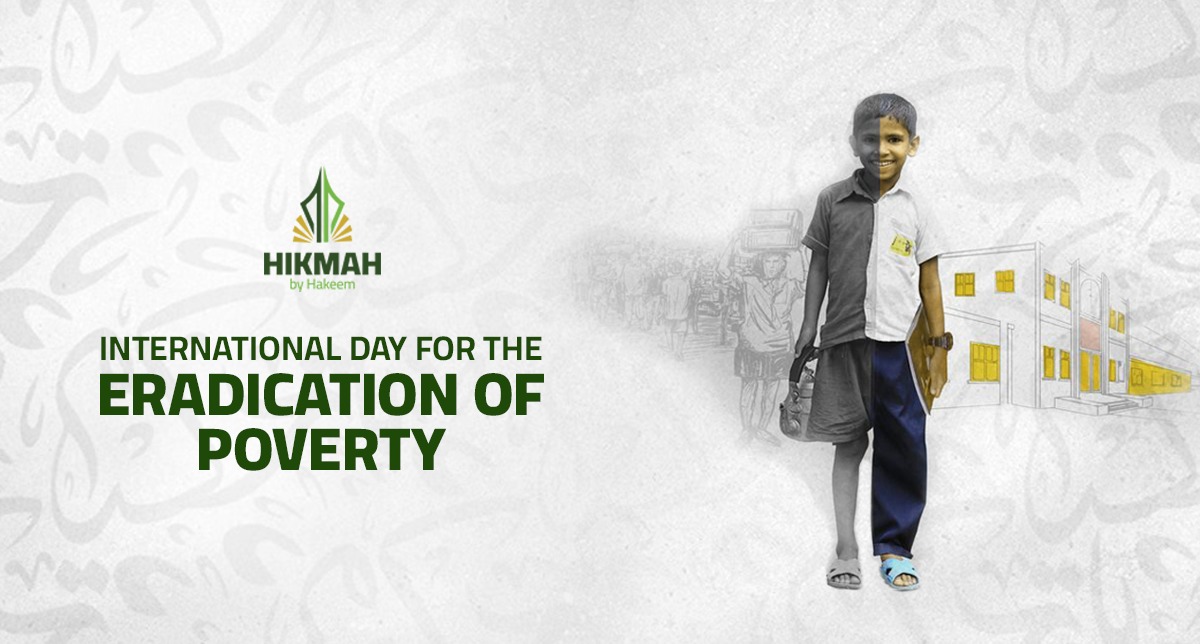
Every year on October 17, the world observes the International Day for the Eradication of Poverty- a moment to reflect on one of humanity’s greatest challenges. Yet today, poverty is not only about a lack of income. It’s increasingly about a lack of access- to opportunity, to fair systems, and most importantly, to finance. Despite decades of progress, over 1.4 billion people remain unbanked, without access to even the most basic financial services like a bank account, digital wallet, or credit.
Millions more are underserved, relying on cash, informal loans, or costly remittance channels. This isn’t just a financial problem- it’s a barrier to equality, education, and empowerment. When someone cannot safely save money, receive payments, or access small loans, they remain trapped in a cycle of dependency. Their potential stays locked away, not because of lack of talent or effort, but because of a lack of tools.
Who Are the Unbanked?
For many of us, opening a bank account or transferring money online feels simple, almost routine. But for nearly one in four adults globally, those options don’t exist. These are the unbanked, individuals with no access to formal financial services, and the underbanked, who have limited or unreliable access. Together, they represent a silent majority excluded from the very systems that drive modern economic growth, with a shared barrier: exclusion. These can include:
- Rural communities cut off from banking infrastructure.
- Migrant workers sending remittances through informal channels.
- Women in developing nations without financial autonomy.
- Small entrepreneurs who cannot secure even the smallest loans to expand.
- Refugees and undocumented workers locked out by identification or residency requirements.
Being unbanked comes with hidden costs that deepen poverty:
- No safe place to save: Cash savings are vulnerable to theft, loss, or inflation.
- Limited access to credit: Without formal financial records, loans become inaccessible or exploitatively expensive.
- Higher transaction costs: Informal money transfers and payday lending charge far higher fees.
- Missed opportunities: Without access to banking, people cannot invest, build credit, or join the digital economy.
Without access to reliable financial tools, the poor remain trapped. They cannot borrow to start businesses, cannot save to secure their future, and cannot insure themselves against emergencies. Financial exclusion thus becomes both a symptom and a cause of poverty- perpetuating a cycle that economic growth alone cannot break. As the world advances in digital innovation and fintech, this divide becomes even more striking. Now the question is not just why poverty persists but also why financial access still doesn’t reach everyone.
Breaking the Cycle: Financial Inclusion as a Tool for Change
Financial inclusion is the bridge to opportunity. It gives individuals the power to participate in the economy, not as bystanders, but as active contributors. When people can safely save, access financing, and move money securely, they begin to shape their own future. A farmer can buy better seeds. A mother can invest in her children’s education. A small shop owner can expand his business instead of merely surviving day to day.
True inclusion goes beyond opening bank accounts; it’s about building trust, fairness, and accessibility into the financial system itself. Traditional banking often excludes those without formal documentation or collateral, but inclusive systems meet people where they are- through mobile technology, microfinance, and community-based partnerships. This access creates ripple effects: increased resilience, reduced inequality, and stronger local economies. When financial doors open, hope follows.
Islamic banking offers a particularly powerful model for inclusion, one that is slowly expanding beyond Muslim-majority regions. Built on the principles of justice, transparency, and shared prosperity, Islamic finance rejects exploitative interest and speculative transactions. Instead, it promotes ethical and asset-backed investments that ensure money serves real economic activity.
Beyond its technical structures, Islamic finance carries a moral philosophy- that wealth should circulate for the benefit of society. Mechanisms such as zakat (obligatory charity) and waqf (endowment) have, for centuries, been tools for poverty reduction, education, and social welfare. In modern times, these principles are being reimagined through fintech innovation. Digital platforms can now channel zakat contributions directly into micro finance, fund community projects, or provide emergency support with full transparency.
Innovations Reshaping Access
Across the world, a quiet revolution is unfolding- one powered not by banks or bureaucracies, but by technology and inclusion. The rise of digital finance has shown that poverty is not only a lack of income, but often a lack of connection. In places where traditional banking never reached, a simple smartphone can now unlock access to savings, credit, and opportunity. This transformation is redefining what it means to participate in the economy. Mobile banking and digital wallets have brought millions into the financial system, particularly in regions where formal branches are scarce.
Beyond mobile finance, fintech innovation is addressing long-standing barriers to access. Digital identity verification, or e-KYC, allows individuals without traditional documents to open accounts using biometric data or mobile numbers. Blockchain technology is also making remittances faster, cheaper, and more transparent, ensuring that more money reaches families and less is lost to intermediaries. Furthermore, Micro-lending platforms are using artificial intelligence to assess creditworthiness based on alternative data, such as phone usage or utility payments, giving millions their first opportunity to borrow responsibly.
Beyond Access: Building Trust and Literacy
Access alone does not guarantee empowerment. For millions of newly banked individuals, navigating financial systems can feel intimidating, especially when the tools, language, or technology are unfamiliar. Without financial literacy, access can quickly turn into dependency or risk. Trust, too, remains a fragile currency. In many low-income communities, decades of exclusion and exploitation have created deep skepticism toward formal institutions.
People are often more comfortable relying on informal savings circles or local lenders because they know them personally, even if the terms are unfavorable. Overcoming this mistrust requires more than infrastructure, it requires a human connection. Banks, fintechs, and governments must invest not only in platforms, but in people. Financial literacy programs, mentorship initiatives, and community-based education can transform how people relate to money. When individuals understand how to use financial tools safely, whether digital payments, insurance, or micro-investments, they begin to see finance not as a threat, but as a source of empowerment.
Digital innovation can also help accelerate this cultural bridge. Interactive learning apps, storytelling-based financial education, and local-language tutorials are reshaping how knowledge is shared. But technology alone is not enough; empathy must guide its use. A truly inclusive financial system must meet people at their level- respecting their traditions, addressing their fears, and helping them grow with dignity.
Conclusion
The International Day for the Eradication of Poverty is more than a day of awareness, it’s a reminder of our shared responsibility to build systems that include, empower, and uplift. Poverty today is not only a question of income; it’s a question of access. Billions remain outside the gates of the financial world, not because they lack ambition or ability, but because the doors were never built for them.
Financial inclusion is the tool that can change that story. When individuals can save securely, borrow fairly, and invest confidently, they gain the power to break free from survival and move toward prosperity. Yet inclusion without ethics is fragile. That is why models rooted in Islamic finance and ethical fintech are so vital- they ensure that growth does not come at the cost of justice. They remind us that finance, at its best, is not just about profit, but about purpose.
As technology continues to reshape access, the challenge before us is not merely innovation, but intention. Every new product, platform, and policy must ask: who does this empower, and who does it leave behind? True progress will be measured not by how advanced our financial systems become, but by how many people they serve with fairness and dignity.
