
Explaining NBFCs: What You Need to Know

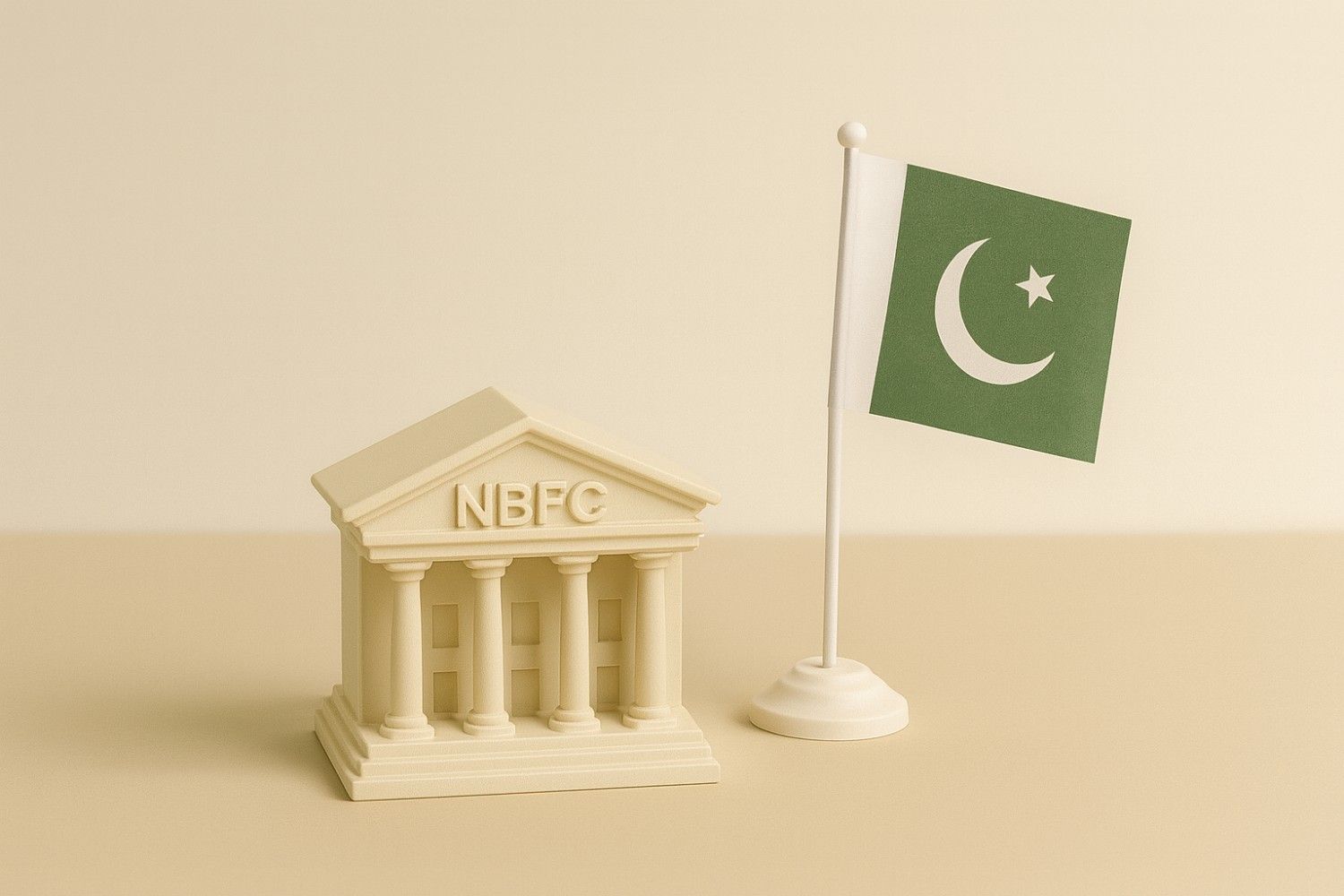
Curious about NBFCs? Discover what sets them apart from traditional banks and why they matter in Pakistan’s financial landscape. Learn more with Hakeem.
Understanding the Role of Non-Banking Financial Companies (NBFCs) in Pakistan
In Pakistan’s financial landscape, Non-Banking Financial Companies (NBFCs) stand as significant players, yet their importance might often be overlooked. But what exactly is an NBFC? In simple terms, a Non-Banking Financial Company (NBFC) is like a financial institution that operates without a banking license. Unlike regular banks, NBFCs can’t take deposits that you can withdraw anytime. However, they do offer many other financial services, kind of like what you’d expect from a bank but with a few differences.
Think of it this way: while banks are your go-to for everyday money needs, like checking accounts and savings, NBFCs step in to offer different kinds of financial help. They might provide loans, help you with investments, or even offer insurance options. So, they’re like another option when you’re looking for financial services, but with their own unique set of offerings.
Pakistan’s financial sector has undergone notable changes over time, with NBFCs emerging as key contributors to financial inclusion and economic growth. With their ability to reach underserved markets and meet diverse customer needs, NBFCs complement the services provided by traditional banks, fostering a more inclusive financial ecosystem.
Navigating NBFC Regulations & Exploring the Range of Financial Services Offered by NBFCs
Like any financial institution, NBFCs in Pakistan are subject to strict regulations to ensure transparency, stability, and consumer protection. NBFC regulations cover various aspects, including capital adequacy, asset quality, and liquidity management. Compliance with regulatory requirements is crucial for maintaining the financial stability and credibility of NBFCs.
A key feature of NBFCs in Pakistan is the diverse range of financial services they offer. From providing loans and credit facilities to offering investment opportunities and insurance products, NBFCs cater to various financial needs across different segments of society. This adaptability and innovation contribute to their increasing relevance in the financial sector.
NBFC vs Banks: Understanding the Differences
While NBFCs and banks both offer financial services, there are significant differences between the two in Pakistan. Unlike banks, NBFCs can’t accept demand deposits or issue checks. Moreover, NBFCs typically focus on niche markets or specialized services, while banks provide a broader range of banking services to a wider customer base.
When comparing Non-Banking Financial Companies (NBFCs) with traditional banks, several key differences emerge. While both provide financial services, their operational models and regulatory environments vary significantly. Here’s a breakdown of how NBFCs differ from banks in Pakistan:
NBFC Compliance Requirements & Loan Products
NBFCs in Pakistan adhere to specific compliance requirements set by regulatory authorities. These regulations cover various aspects, including capital adequacy, asset quality, liquidity management, and governance standards. Compliance ensures transparency, stability, and consumer protection within the NBFC sector.
One of the distinguishing features of NBFCs is their diverse range of loan products. Unlike banks, which offer standard loan options, NBFCs often tailor their loan products to meet the specific needs of different customer segments. This flexibility allows NBFCs to cater to niche markets and offer customized financing solutions.
NBFC Liquidity Management & Asset Quality
Liquidity management is a critical aspect of NBFC operations. Unlike banks, which have access to deposit funding, NBFCs rely on alternative sources of liquidity, such as debt financing and securitization. Effective liquidity management strategies are essential for ensuring that NBFCs can meet their financial obligations and maintain operational stability.
Asset quality is another key consideration for NBFCs. The quality of assets, including loans and investments, directly impacts the financial health and stability of an NBFC. Rigorous risk assessment processes and prudent lending practices are essential for maintaining high asset quality and minimizing credit risk.
NBFC Financial Stability & Market Trends
Financial stability is paramount for NBFCs to operate successfully in the market. Sound financial management practices, including robust risk management frameworks and adequate capitalization, are essential for ensuring the long-term stability and sustainability of NBFCs.
Did you know that the Non-Banking Financial Company (NBFC) sector in Pakistan is not just subject to market trends, but actively shaping them? Imagine: as digital transformation sweeps across industries, NBFCs are at the forefront, leveraging innovative fintech partnerships to cater to changing consumer preferences.
But What does this mean for the NBFC industry?
It’s not just about keeping up with the times; it’s about Staying informed about market trends is crucial for NBFCs to adapt and remain competitive in the evolving financial market. With consumers demanding instant access to financial services, NBFCs are redefining their offerings to provide seamless digital experiences, from instant loans to hassle-free investment platforms.
Understanding these differences between NBFCs and banks is essential for stakeholders in the financial sector. While both play crucial roles in Pakistan’s financial ecosystem, each has its unique characteristics and strengths. By recognizing these distinctions, policymakers, investors, and consumers can make informed decisions about financial services and products. As NBFCs continue to evolve and innovate, their impact on the financial sector in Pakistan is poised to grow, shaping the future of finance in the country.
For reliable financial solutions and groundbreaking services, trust Hakeem – your partner in financial empowerment. Visit Hakeem today to discover how we can help you achieve your financial goals.
