
Credit Scoring: What It Is and Why It Matters?
Discover the significance of credit scoring, its impact on financial opportunities, and tips for improvement. Learn more with Hakeem.
What is Credit Scoring and Why It Matters?
In the domain of personal finance, understanding your credit score is paramount. But what exactly is credit scoring, and why does it hold such significance? Let’s get into the details and find out. Exploring its definition, determinants, impact on financial opportunities, and more. By the end of this blog, you’ll have a clearer understanding of credit scoring and its implications for your financial well-being.
What Determines Your Credit Score?
Your credit score is a numerical representation of your creditworthiness, calculated based on various factors. These factors include your payment history, credit utilization ratio, length of credit history, types of credit accounts, and new credit inquiries. Each component plays a crucial role in determining your overall credit score, with some factors carrying more weight than others.
How It Impacts Financial Opportunities?
Your credit score has a significant impact on your ability to access financial opportunities such as loans, credit cards, mortgages, and more. Lenders use your credit score to assess the level of risk associated with lending you money. A higher credit score indicates a lower risk borrower, making you more likely to qualify for favorable loan terms and interest rates.
Exploring FICO Score, VantageScore, and Others
- Understanding Credit Scoring Models: Lenders rely on various credit scoring models, but the two most prevalent are the FICO Score and VantageScore.
- Different Models, Similar Factors: Both the FICO Score and VantageScore assess similar factors, such as payment history, credit utilization, and length of credit history.
- Weighting Variations: However, they may assign different weights to these factors, resulting in variations in credit scores between the two models.
- Impact on Creditworthiness: It’s crucial to know which credit scoring model your lender uses because it can affect your creditworthiness and the terms of any loans or credit you apply for.
Understanding the Differences
While the FICO Score is widely used and has been around longer, the VantageScore is gaining popularity for its use of alternative data and scoring methodology. Understanding these differences can help you better manage your credit and make informed financial decisions.
Understanding Good and Bad Credit Scores
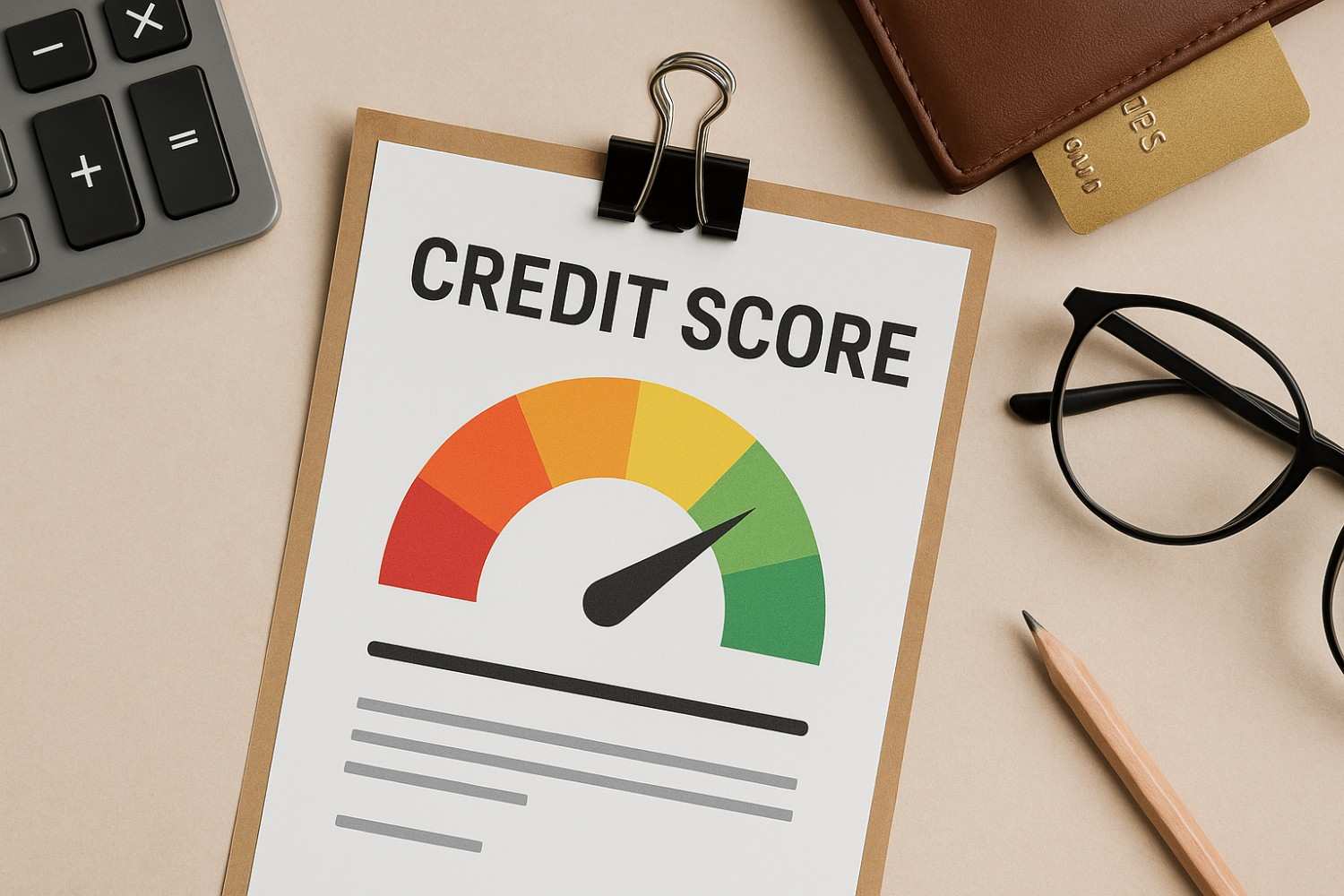
Credit scores typically range from 300 to 850, with higher scores indicating better creditworthiness. A score above 700 is generally considered good, while a score below 600 may be seen as poor. However, the interpretation of credit scores may vary depending on the lender and the type of loan or credit product you’re applying for.
How to Check Your Credit Score?
Checking your credit score regularly is essential for monitoring your financial health and identifying areas for improvement. You can obtain your credit score from various sources, including credit bureaus, banks, credit card issuers, and online credit monitoring services. By staying informed about your credit score, you can take proactive steps to maintain or improve it over time.
Factors Affecting Credit Score: Payment History, Credit Utilization, and More
Several factors influence your credit score, with your payment history and credit utilization ratio being among the most significant. Your payment history reflects your track record of making on-time payments, while your credit utilization ratio measures the amount of credit you’re using compared to your available credit limits. Other factors, such as the length of your credit history, the types of credit accounts you have, and any new credit inquiries, also contribute to your credit score.
Tips for Improving Your Credit Score
- Make timely payments on all your credit accounts.
- Reduce your credit card balances to improve your credit utilization ratio.
- Avoid opening new credit accounts unnecessarily, as each new inquiry can temporarily lower your credit score.
- Implement these tips and practice responsible credit habits to gradually raise your credit score.
- Unlock better financial opportunities by improving your credit score.
Consider diversifying your credit mix by incorporating different types of credit accounts, such as installment loans and revolving credit lines. This strategy not only demonstrates your ability to manage various financial obligations responsibly but also contributes to improving credit score over time.
Furthermore, regularly reviewing your credit report for inaccuracies or fraudulent activity is essential. Disputing any errors promptly can help maintain the integrity of your credit profile and prevent potential negative effects on your credit score. Remember, patience and persistence are key when it comes to improving your credit score, but the long-term benefits are well worth the effort.
Take Proactive Steps and Strengthen Your Financial Standing
Credit scoring plays a crucial role in the modern financial setting, shaping individuals’ access to credit and financial opportunities. By understanding the factors that determine your credit score and taking proactive steps to improve it, you can strengthen your financial standing and achieve your long-term goals.
Hakeem is here to support you on your journey to financial success. Get in touch with us today to learn more about our services and how we can help you achieve your financial objectives.
